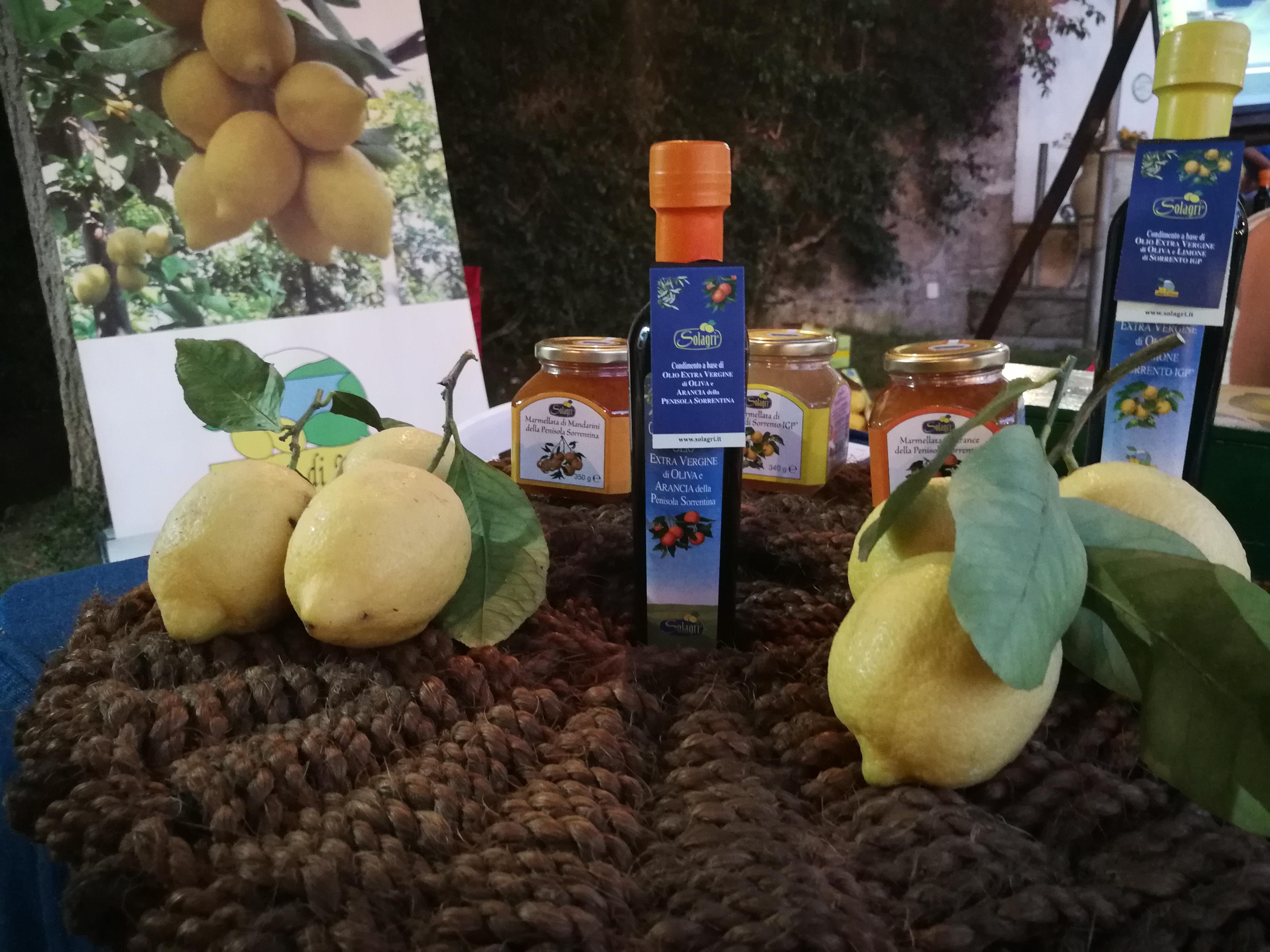
Eco-sustainability and lemons: how to use this fruit without waste
The lemon — a versatile fruit rich in vitamin C and known for its antioxidant, antibacterial, and purifying properties — is not only a kitchen essential but also a powerful ally in reducing waste and embracing more eco-friendly habits. Every part of it, from peel to juice to seeds, can be creatively reused, helping you live more sustainably. Whether it’s for cleaning your home naturally, caring for your skin, or finding green alternatives, lemons offer countless possibilities. In this article, we’ll explore how to make the most of every part of this amazing fruit.

Eco-sustainability and lemons: the peel
The peel, or lemon zest, is often thrown away — but it can actually be reused in many eco-friendly ways. For example, to clean your home naturally: soak several peels in white vinegar to create an effective cleaner for glass, countertops, and pots and pans, which also works great on floors. Placing peels in a bowl of hot water and heating it in the microwave helps loosen grime with the steam, making cleaning easier. Rubbing the peel directly on faucets and sinks leaves surfaces shiny and helps remove limescale and rust. Rubbing half a lemon on copper, brass, aluminum, or other metals restores their natural shine. A few peels placed in the dishwasher or fridge help absorb and neutralize bad odors.
Lemon peels are also great for personal care and natural fragrance. Rubbing the peel on your nails helps remove stains and yellowing; it can soothe cracked heels, tone the skin, and even fight acne when applied directly to the face. To naturally scent your home, you can make a DIY potpourri with dried peels, cinnamon, and cloves, or boil them with aromatic herbs for a fresh fragrance. Dried peels can also be placed in cotton sachets for closets or drawers, serving as a natural moth repellent. The garden can benefit too: lemon peels placed near doors and windows help keep insects like ants and mosquitoes away. In small amounts, they can be added to compost to enrich it with nutrients. Finally, rubbing scissors or pruning shears with the peel helps remove rust and keep the blades sharp.
Eco-sustainability and lemons: the juice
Lemon juice is incredibly versatile — perfect for cleaning, skincare, and countless other eco-friendly uses.
Around the house, it’s great for cleaning the microwave: just heat a bowl of water with lemon juice. The same mix removes stains and odors from the fridge. Combined with baking soda, it’s ideal for degreasing containers and dishes. When applied directly to surfaces (with coarse salt), it removes limescale and rust.
For skincare, lemon juice can be used as a natural facial toner, or as a base for exfoliating and moisturizing masks (when mixed with sugar or honey). It’s an effective acne remedy thanks to its antibacterial and astringent properties. The vitamin C it contains also helps reduce wrinkles and dark spots, making the skin more radiant.
Lemon juice has whitening properties too — for both nails and teeth — and can make hair shinier and less frizzy. Used as a natural deodorant, it neutralizes underarm odors. In the laundry, combined with white vinegar, it helps whiten clothes. It can even remove ink, sweat, or food stains, reducing the need for harsh chemical detergents.
Eco-sustainability and lemons: the seeds
Even lemon seeds can play a part in eco-sustainability. You can plant them to grow your own lemon tree at home, avoiding the purchase of store-bought fruit. Simply wash the seeds and plant them in fertile soil. They can also be used as a natural mosquito and insect repellent. Mixed with a few drops of essential oil and placed in a small bag, they make a lovely natural air freshener. Warmed slightly in the microwave, they even become fragrant hand warmers!
Conclusion
In short, the lemon isn’t just a delicious fruit — it’s a perfect eco-friendly ally. From peel to juice to seeds, every part can be reused to reduce waste and replace chemical products with natural alternatives. Whether it’s for cleaning, beauty, or home remedies, lemons offer an easy and affordable way to live in harmony with the environment while improving your wellbeing.